
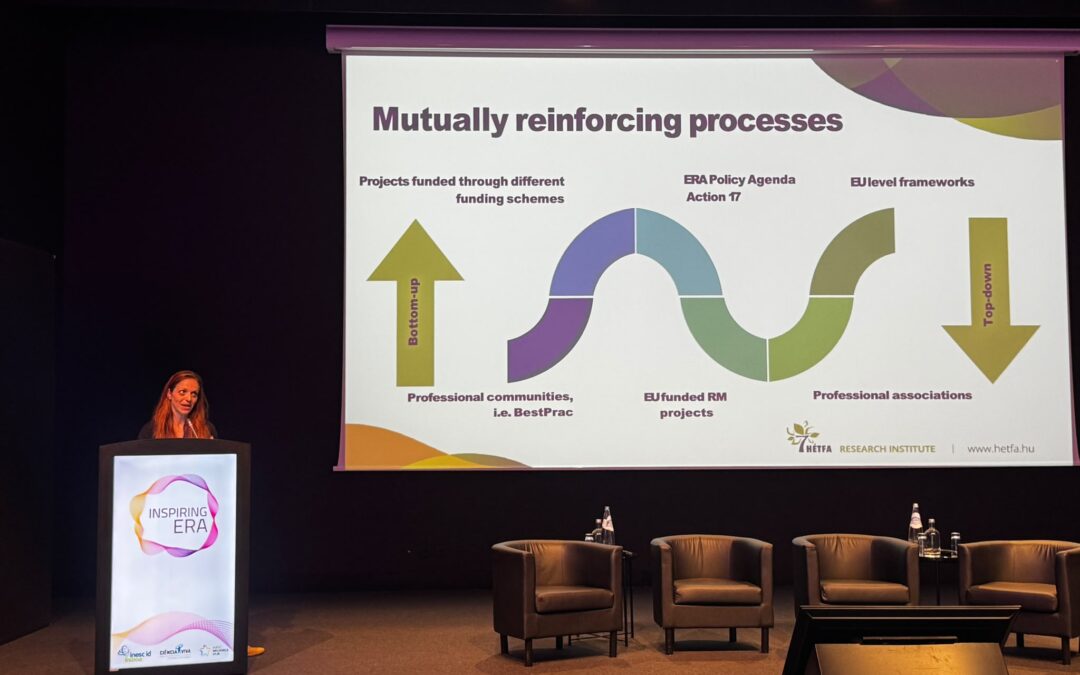
Research management is getting recognised as a strategic capacity for stronger research and innovation ecosystems. Through a series of presentations in Padova, New York, Lisbon, at SARMA’s first annual event, and at Hungarian events in Gödöllő and Miskolc, Virág Zsár, Senior International Advisor at HÉTFA and President of HUNARMA, explored how evidence, professional communities and policy initiatives can reinforce one another. A central message connected these contributions: lasting progress requires partnership, dialogue and multilevel interventions within the research and innovation ecosystems.
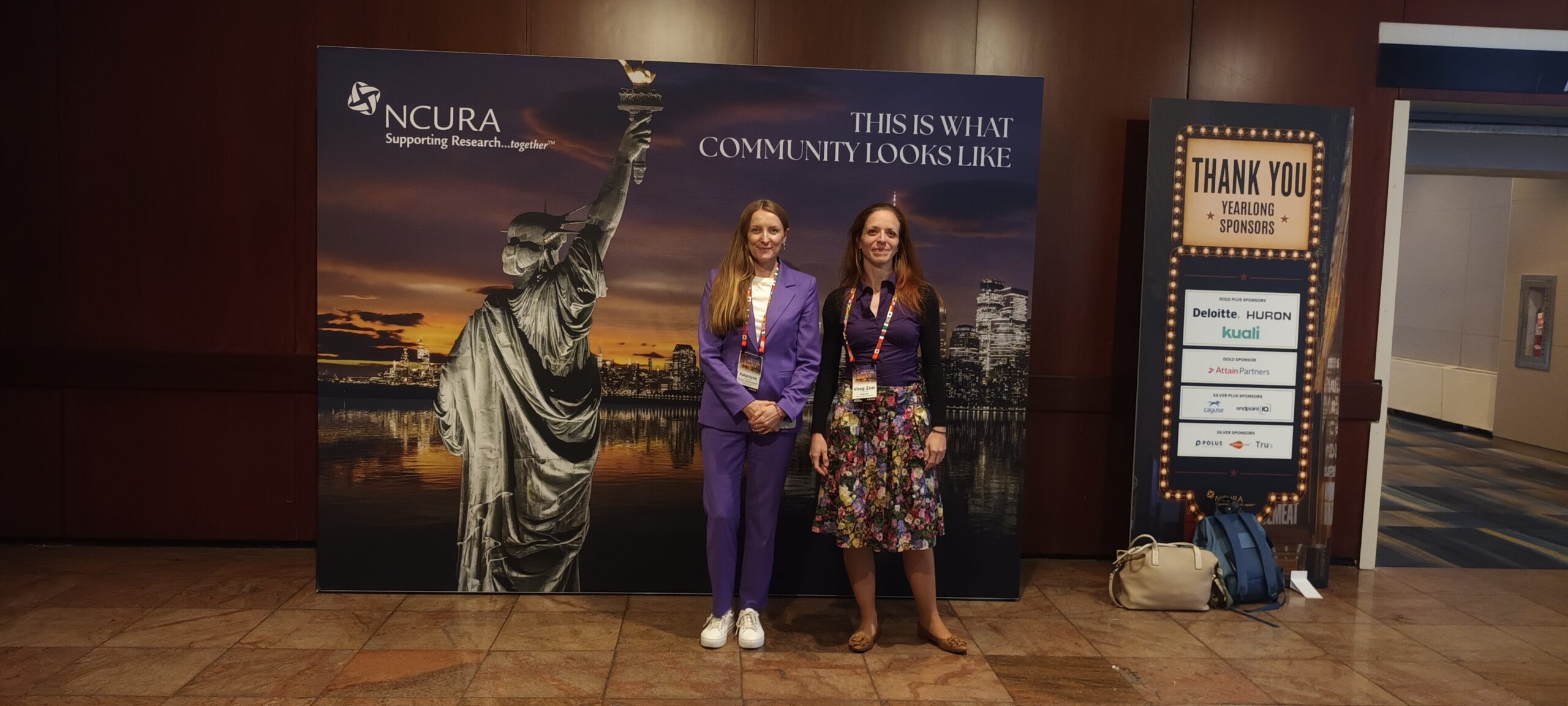
At The Research Managers and Their Key Role in the Research Ecosystem conference in Padova on 24 June, Ms Zsár presented the findings of the RM Roadmap survey, highlighting research managers’ diverse responsibilities, professional development needs and challenges concerning recognition and career progression. These findings provide an evidence base for developing support measures that reflect practitioners’ experiences. At the NCURA Annual Meeting in New York held between 2 and 4 August, the discussion gained a transatlantic perspective through a comparison of RM Roadmap results with US-focused RAAAP data, opening opportunities for mutual learning about professional roles, challenges as well as initiatives and conditions supporting research management.
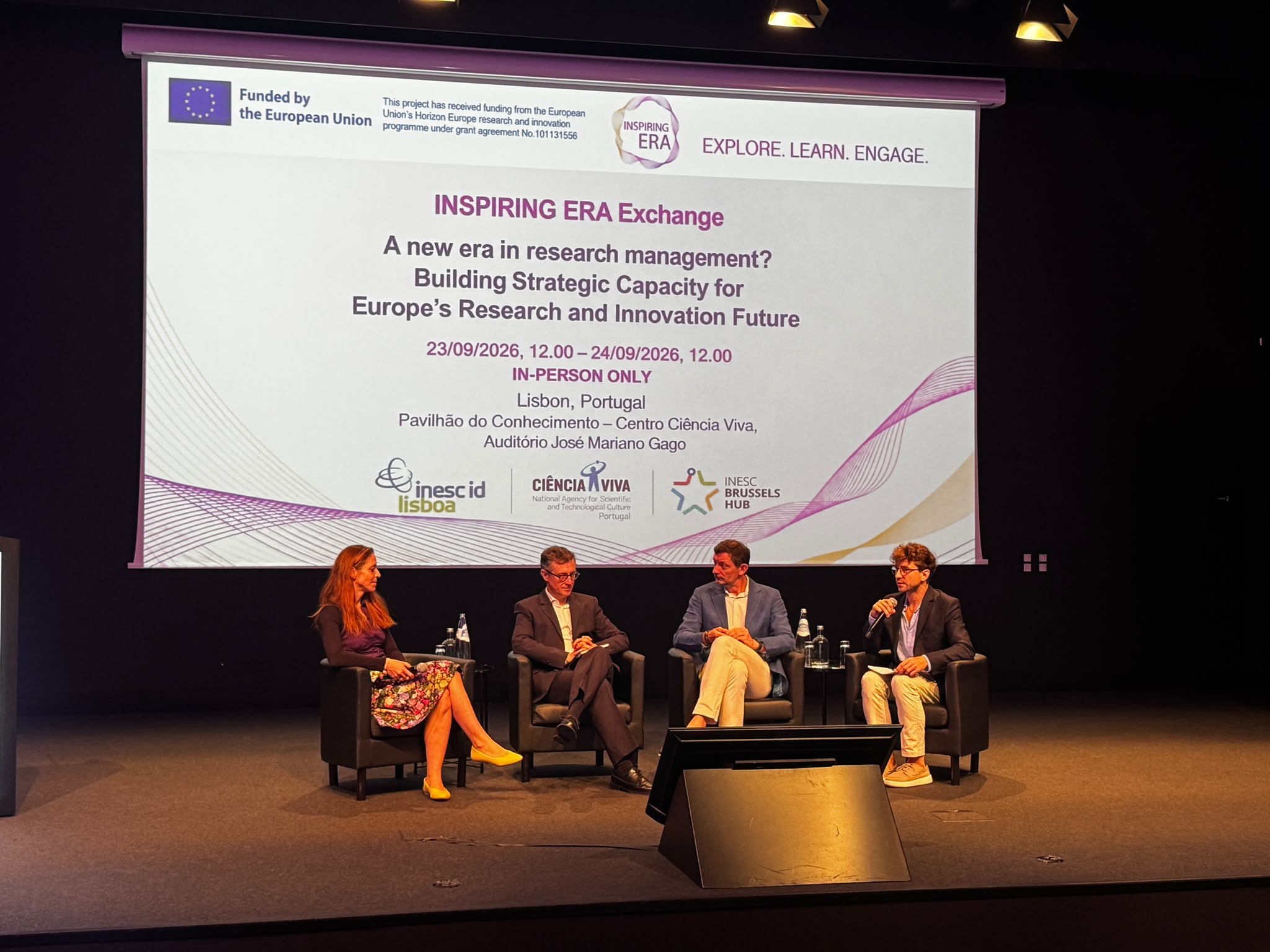
The connection between professional experience and European policy was further explored at the INSPIRING ERA event in Lisbon, where our colleguge presented Research Managers and the Future ERA. The dedicated ERA Action on Research Management provides an important policy framework for strengthening the profession. Building on the momentum of ERA Action 17 under the 2022–2024 ERA Policy Agenda, the continued focus on research management in the 2025–2027 agenda creates an opportunity to connect European ambitions with national and institutional measures. Research managers contribute both to implementing ERA priorities and to shaping feasible institutional strategies and policies. Their strategic contribution and involvement within research performing institutions is therefore essential to turning policy commitments into practice.
European initiatives can achieve lasting results when they connect with active professional communities. Participation in SARMA’s first annual event held on 2 October brought this complementary dimension into focus: national associations can bring colleagues together, organise knowledge exchange, identify common needs and represent the profession in discussions with institutions and policymakers. Bottom-up initiatives provide practical experience and collective engagement, while top-down measures can create the recognition, resources and organisational conditions needed to sustain their work.
The recent establishment of HUNARMA, the Hungarian Association of Research Managers and Administrators, creates an opportunity to develop this cooperation in Hungary. It offers a shared platform for colleagues across universities, research institutes and other organisations to exchange experience and work together on the profession’s development. Connecting this community with European networks and initiatives can help ensure that Hungarian needs are reflected in wider discussions and that European results become useful tools for colleagues across Hungary.
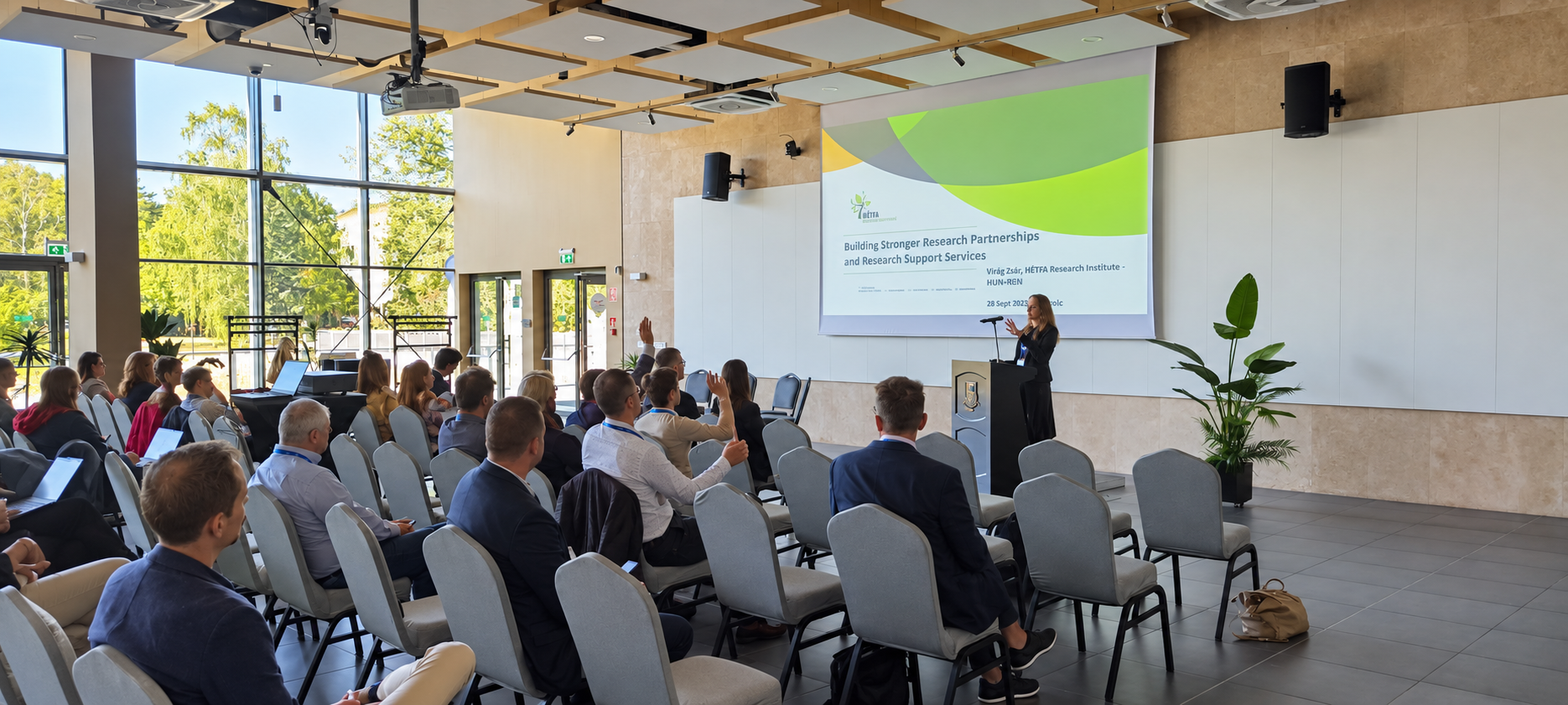
The presentations at MATE’s University Innovation Day in Gödöllő and the Reconnecting with the EU: Matchmaking and Networking Partner Meeting at the University of Miskolc brought these questions into the context of Hungarian institutions’ international participation. At MATE, research management’s contribution to proposal preparation, consortium building, institutional capacity development and research excellence was highlighted, alongside an introduction to HUNARMA. In Miskolc, the focus on stronger research partnerships and research support services underlined the need to connect researchers and research managers with support offices, institutional leaders and the wider funding and policy environment.
The importance of building a stronger evidence base for the profession was also highlighted at the first conference organised by the Research on Research Management and Administration subcommittee in Barcelona on 12-13 November, where Virág Zsár presented results from RM Roadmap and RM Framework in relation to RoRMA’s research priorities. Her contribution connected findings on professional roles, competences and recognition with questions about institutional leadership, professional development and the impact of research support services. The event provided an opportunity to exchange ideas with colleagues working to advance research on research management itself. This knowledge base is essential for designing effective interventions, demonstrating research managers’ contribution and informing decisions across the ecosystem.
These exchanges point towards a shared agenda. Professional research management helps researchers develop collaborations, secure funding and deliver research; enables leaders of research-performing organisations to translate institutional strategies into effective services and stronger research performance; and supports national policymakers and funders in implementing priorities and improving the effectiveness of research investment.
In order to achieve these goals at the institutional level, research support has to be organised strategically and in a structured manner to deliver high-quality services. Professionals in RM need recognition, professional development opportunities and credible career prospects. At national level, the dialogue should address professional recognition, including connections with education, qualification and employment systems. European cooperation and policies can support these efforts through common frameworks, evidence, training and peer learning, however, national and institutional decision-makers have to embrace these initiatives and enable their implementation on the respective levels.